Posted by: Majestic Northeast Tours and Adventures
Every once
in a while, you come across a travel photograph that looks entirely
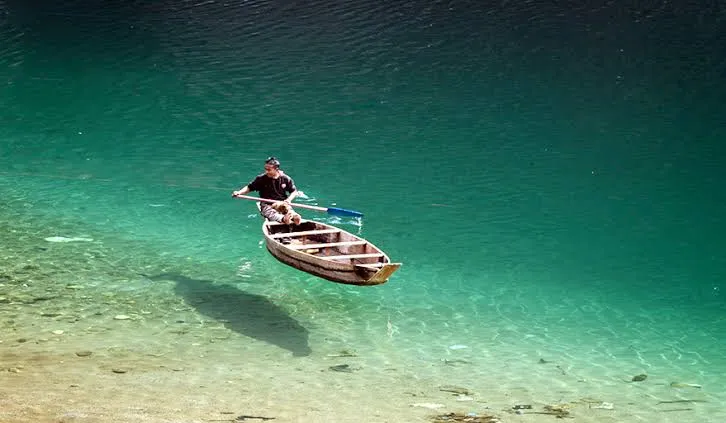
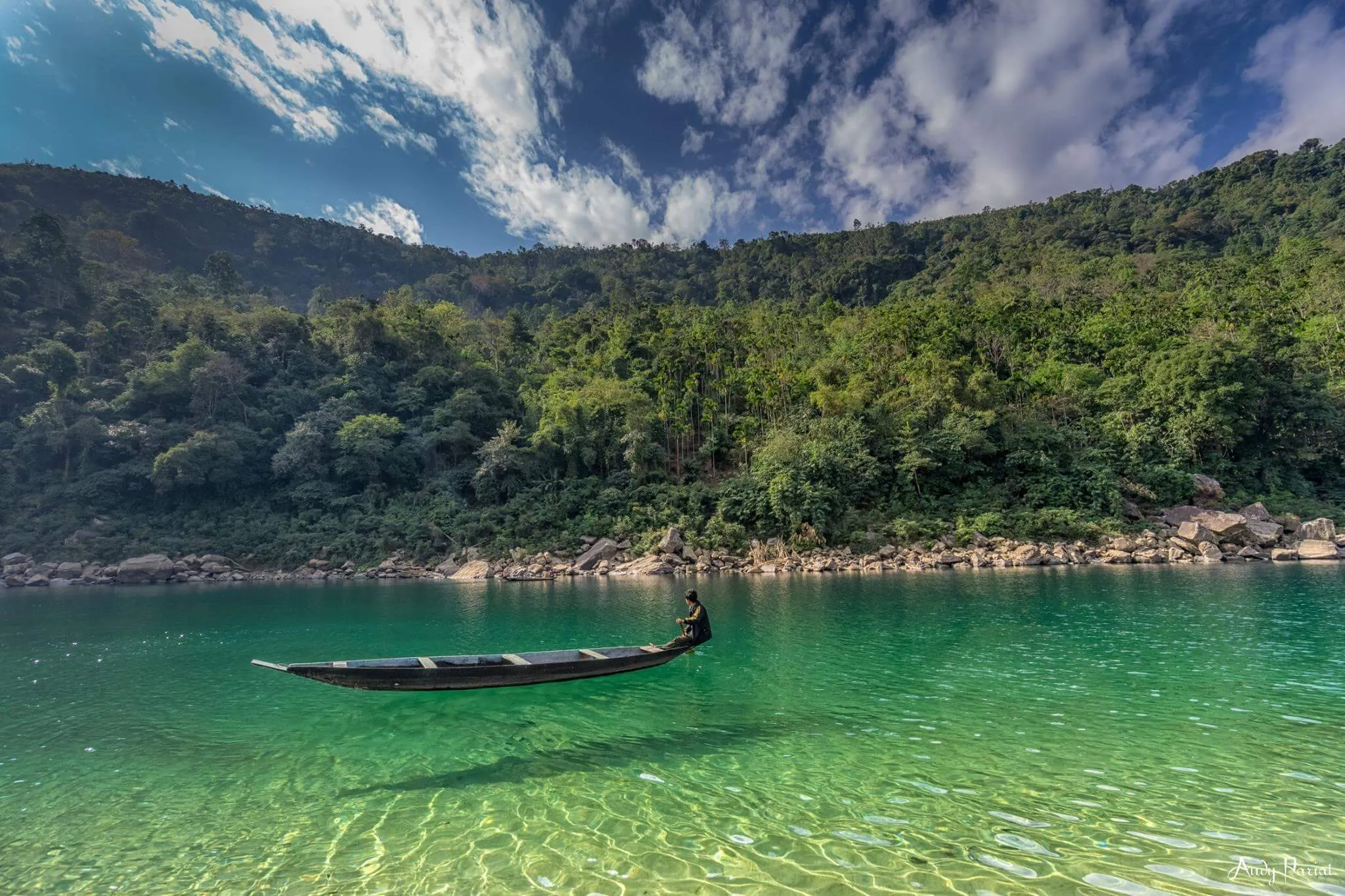
photoshopped. For most people, that image is a wooden country boat gliding
across a surface so clear that it seems to be suspended in mid-air, its shadow
perfectly cast on the pebbled riverbed below.
That isn't a
digital illusion—that is Dawki.
Tucked away
in the Jaintia Hills of Meghalaya, right on the edge of the international
Indo-Bangladesh border, this small transit town has become globally famous for
hosting the Umngot River, widely celebrated as one of the cleanest
rivers in Asia. If you want to experience nature completely unfiltered, a trip
to Dawki is an absolute necessity.
The
Highlight: Boating on Glass
The defining
experience in Dawki is hiring a traditional, colorful wooden boat to take you
out on the Umngot River.
As the
boatman gently paddles away from the bank, the water beneath you shifts into a
flawless emerald-green mirror. The visibility is astounding; you can easily
look down several meters to spot schools of small fish swimming past and count
the smooth, colorful river pebbles lining the floor.
The standard
boat ride takes you downstream through a stunning gorge flanked by steep,
forested cliffs. Along the way, you’ll pass beneath the historic Dawki
Suspension Bridge (an engineering marvel constructed in 1932 by the
British) and pull up onto a small island made entirely of smooth river
boulders—the perfect place to step out, take a breath, and snap some
unforgettable photographs.
Beyond
Boating: Adventure at Shnongpdeng
While Dawki
town is the traditional entry point, travelers looking for a raw, offbeat
experience should head just 8 kilometers upstream to Shnongpdeng Village.
Shnongpdeng
has evolved into the adventure capital of the river ecosystem. The water here
is equally pristine, but the vibe is geared toward outdoor enthusiasts. The
local community runs an exceptional eco-tourism setup where you can participate
in:
- Cliff Jumping: Leap off high river rock
formations into deep, refreshing pools of clear water.
- Kayaking & Snorkeling: Explore the river currents at
your own pace or look beneath the surface with clarity.
- Riverside Camping: Spend the night in a cozy tent
pitched right on the white sandy banks, drifting off to sleep under a
starry sky to the gentle sound of the river.
Mastering
the Calendar: When to See the "Glass Effect"
Timing is
everything when planning a trip to Dawki. Because the river's magic depends
entirely on water clarity, you need to align your journey with the dry seasons:
- October to April (The Clear
Window): The
absolute prime season. With the monsoon fully gone, the river settles, the
sediment drops, and the water transforms into pure glass. The weather is
cool and crisp—perfect for campfires and light jackets.
- May to September (The Monsoon
Surge): Avoid
this period if you want to see the clear water. Meghalaya's legendary
heavy rains cause the river to swell, turning the clear emerald water into
a muddy, fast-flowing brown current. Boating is frequently suspended
during these months for safety.
3 Insider
Tips for a Flawless Dawki Trip
- Arrive Early: The ideal time to be on the
water is between 7:30 AM and 10:00 AM. The morning sunlight hits
the water at the perfect angle to eliminate glare, maximizing the
transparency for your photographs before the afternoon crowds arrive.
- Carry Hard Cash: Because Dawki is a remote
border outpost, mobile networks can be patchy. Many local boatmen and food
stalls cannot accept digital UPI payments. Keep enough physical cash on
hand for food, parking, and boating fees.
- Respect the Border &
Culture: The
river serves as a natural boundary between India and Bangladesh, marked in
some spots only by a thick floating rope. Always listen to your boatman's
guidance regarding border lines, carry a valid government ID, and respect
the strict anti-littering laws enforced by the local Khasi and Jaintia
village committees.